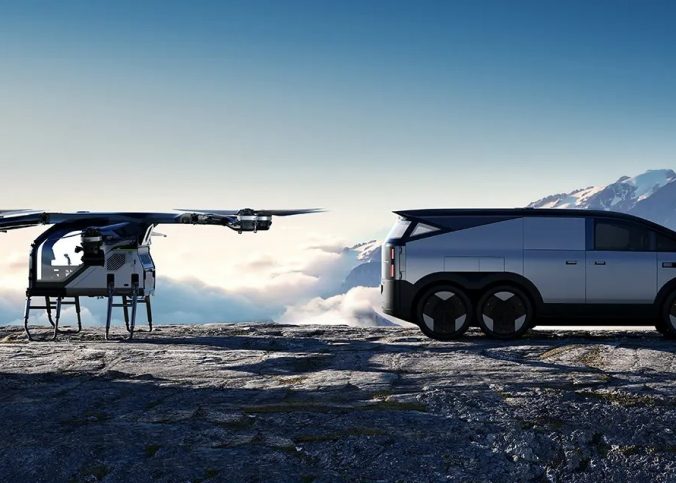
Most of them still in the project stages, Chinese cargo drones, flying taxis, and other eVTOLs are aiming to improve their performance in terms of autonomy, safety, durability, and lightness. On all these points, carbon fiber appears beneficial, as, increasingly, on brand image.
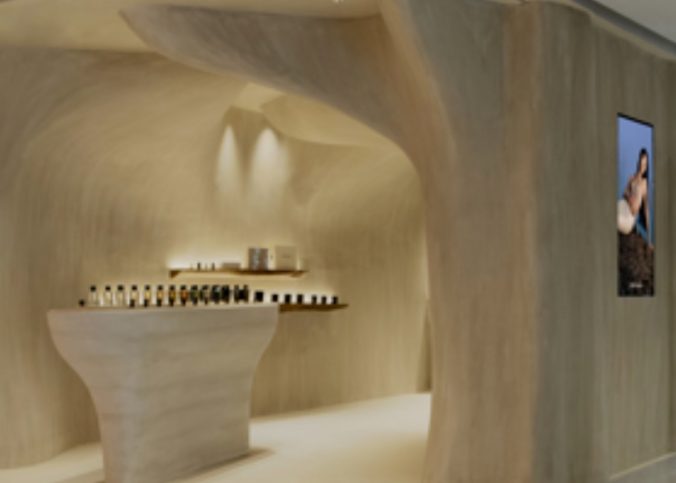
While most major luxury groups across all sectors are currently experiencing a decline in sales in the Chinese market, the perfume market is expected to grow by around 14%, reaching EUR 5.8 billion by 2028, according to US consulting firm Frost & Sullivan. Another feature of the Chinese perfume market is a less than 5% penetration rate and a growing number of enthusiasts among Generation Z (19-24-year-olds).
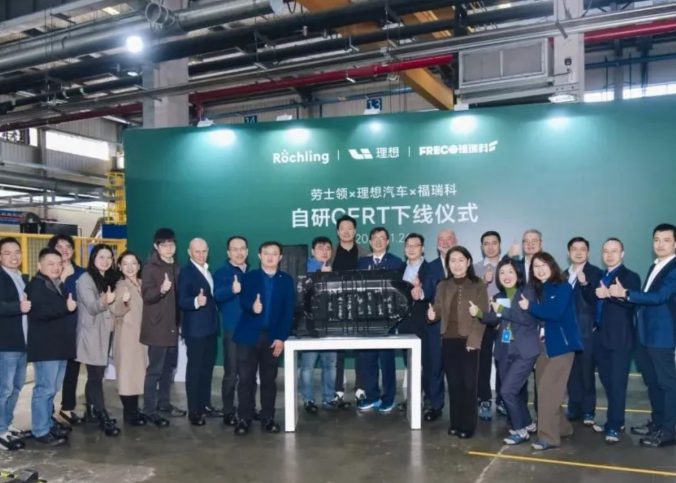
Will the new-energy vehicle startup Li Auto follow the global path to success of its fellow Chinese electric vehicle company BYD, as some automotive industry experts believe? It would be good news for the composite materials industry, as Li Auto gives it a prominent place among the lightweight technologies it focuses on.
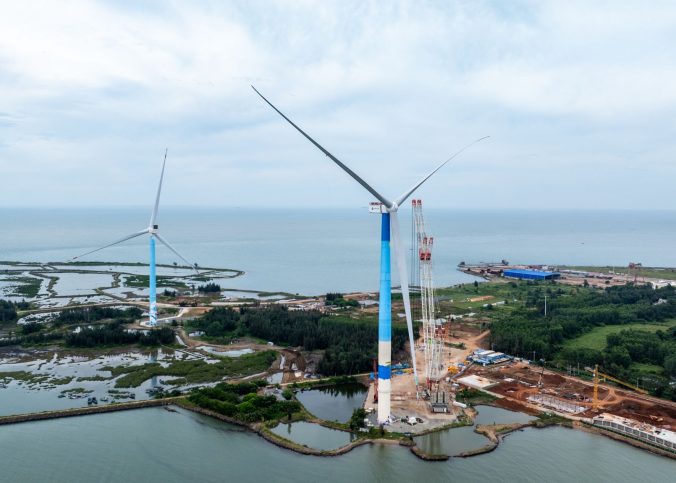
The race to the world’s longest offshore turbine is now led by Mingyang Smart Energy. But the Chinese company emphasizes, above all, its success in producing the main components locally and having involved the country’s most advanced resin and carbon…
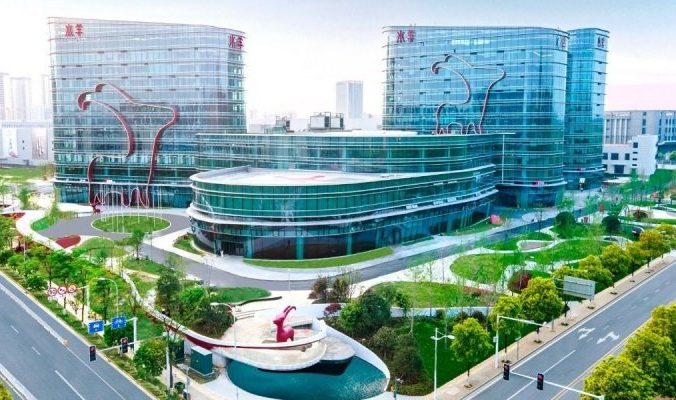
By purchasing French brands Pier Augé and EviDenS de Beauté and recently opening the S’Young City campus around its Changsha headquarters, in the province of Hunan, Chinese group S’Young International (水羊股份) made its objectives clear.
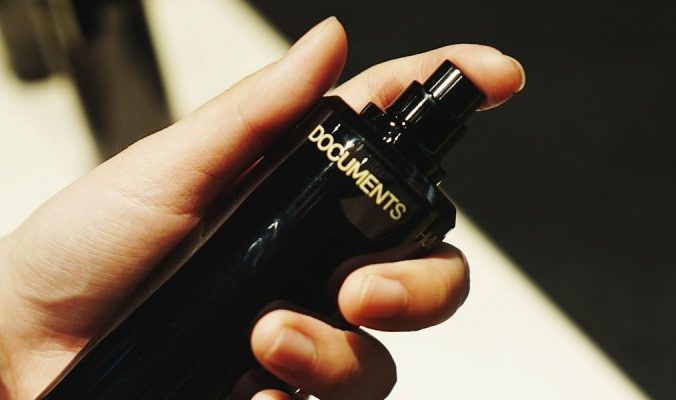
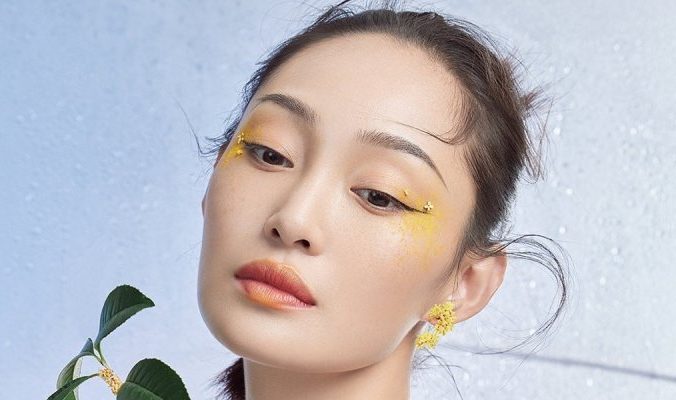
The Chinese culture has a tremendous influence on perfumers, who choose plants like tea, osmanthus, and bamboo as a source of inspiration.
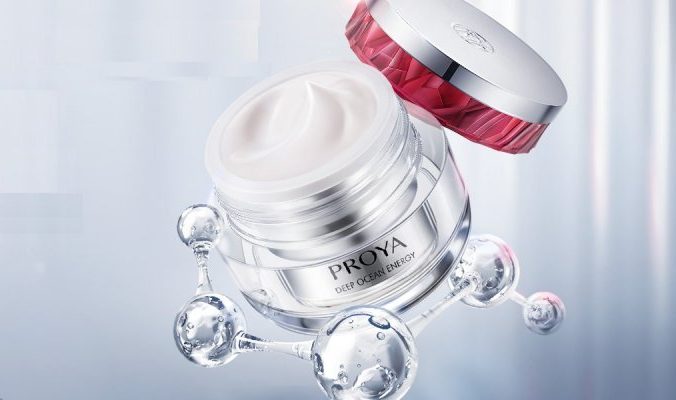
Cosmetics brand Proya (珀莱雅) seems to find it easy to progress on a Chinese market undergoing deep changes.
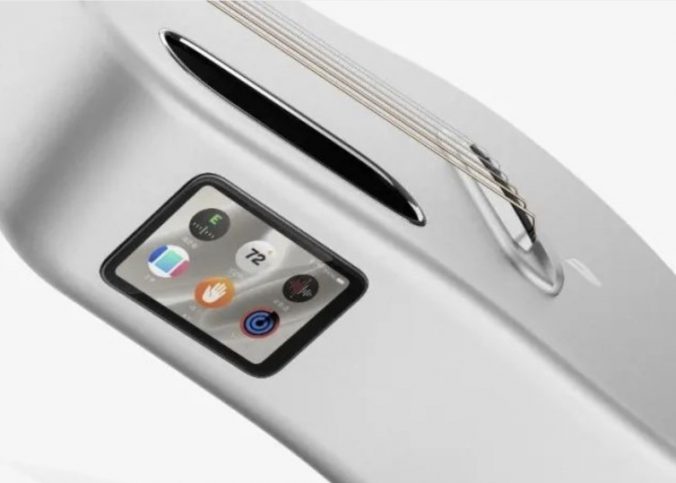
Guangzhou-based Lava Music (拿火音乐) released the world’s first unibody carbon fiber guitar Lava Me in 2017 and reinvented it as a smart guitar in 2021.
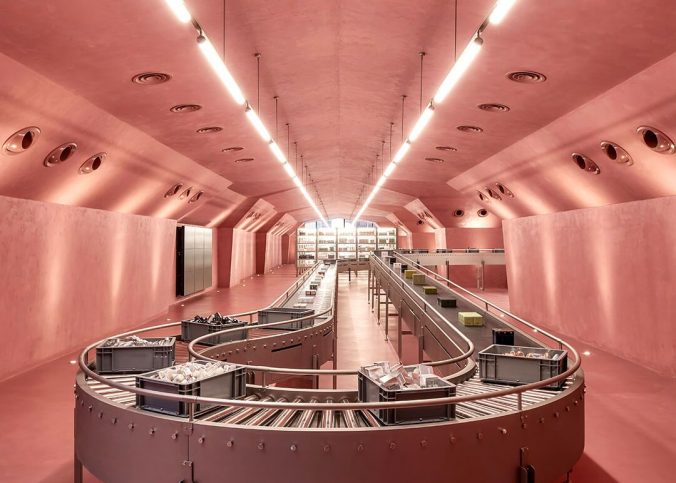
Self-service selling of small-size cosmetics in an arty environment: this is the initial concept of Chinese company Harmay (話梅), which has just fundraised 200 million dollars thanks to investors, including American development capital company General Atlantic.
Since it was founded in Hangzhou in 2017, makeup brand Florasis (花西子, Huaxizi) has drawn inspiration from the Chinese heritage to create its aesthetics and storytelling.